From sacred kirtan during the Anand Karaj to explosive dhol beats during the baraat, here's your complete guide to Sikh wedding music.
Understanding Sikh Wedding Traditions
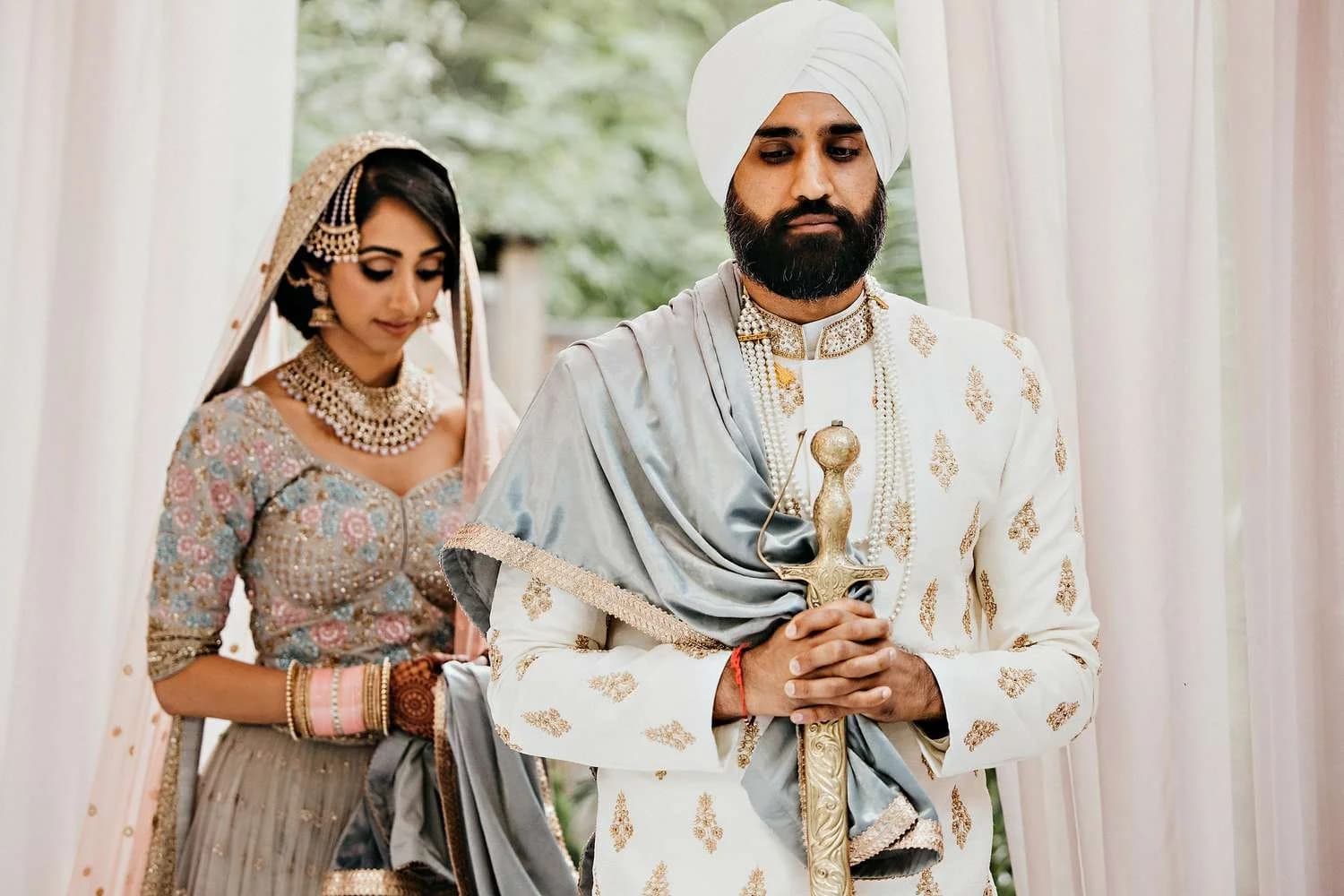
Sikh weddings are anchored in the Anand Karaj ceremony, which takes place in the presence of the Guru Granth Sahib. This is a sacred spiritual event, and the music during the ceremony is exclusively Gurbani kirtan — hymns from the Sikh scriptures performed by ragis (kirtan musicians). There is absolutely no role for a DJ during the Anand Karaj itself, and any DJ who suggests otherwise does not understand Sikh tradition.
The four laavan (circling hymns) form the heart of the ceremony, and they are sung by trained kirtan performers, not played from a speaker. The DJ's involvement during the ceremony is limited to ensuring that any supplemental audio equipment — such as additional speakers for large gurdwaras — is set up to amplify the ragis clearly. Some families request that the DJ manage audio levels for the ceremony hall, which requires technical skill and deep respect for the sacred nature of the proceedings.
Outside of the Anand Karaj, Sikh weddings feature a rich tapestry of celebrations where the DJ plays a central role. The pre-wedding events, baraat procession, and reception all call for music that ranges from traditional Punjabi folk to modern bhangra, Bollywood, hip-hop, and beyond. Understanding where the spiritual boundaries begin and end is what separates a knowledgeable Sikh wedding DJ from a generalist.
Pre-Wedding Celebrations
Sikh pre-wedding events are vibrant, joyful, and packed with music. The Roka is the formal engagement ceremony, typically an intimate gathering of close family. Music here should be warm and celebratory — classic Punjabi folk songs, romantic Bollywood tracks, and light bhangra numbers that encourage casual dancing without overwhelming the family atmosphere.
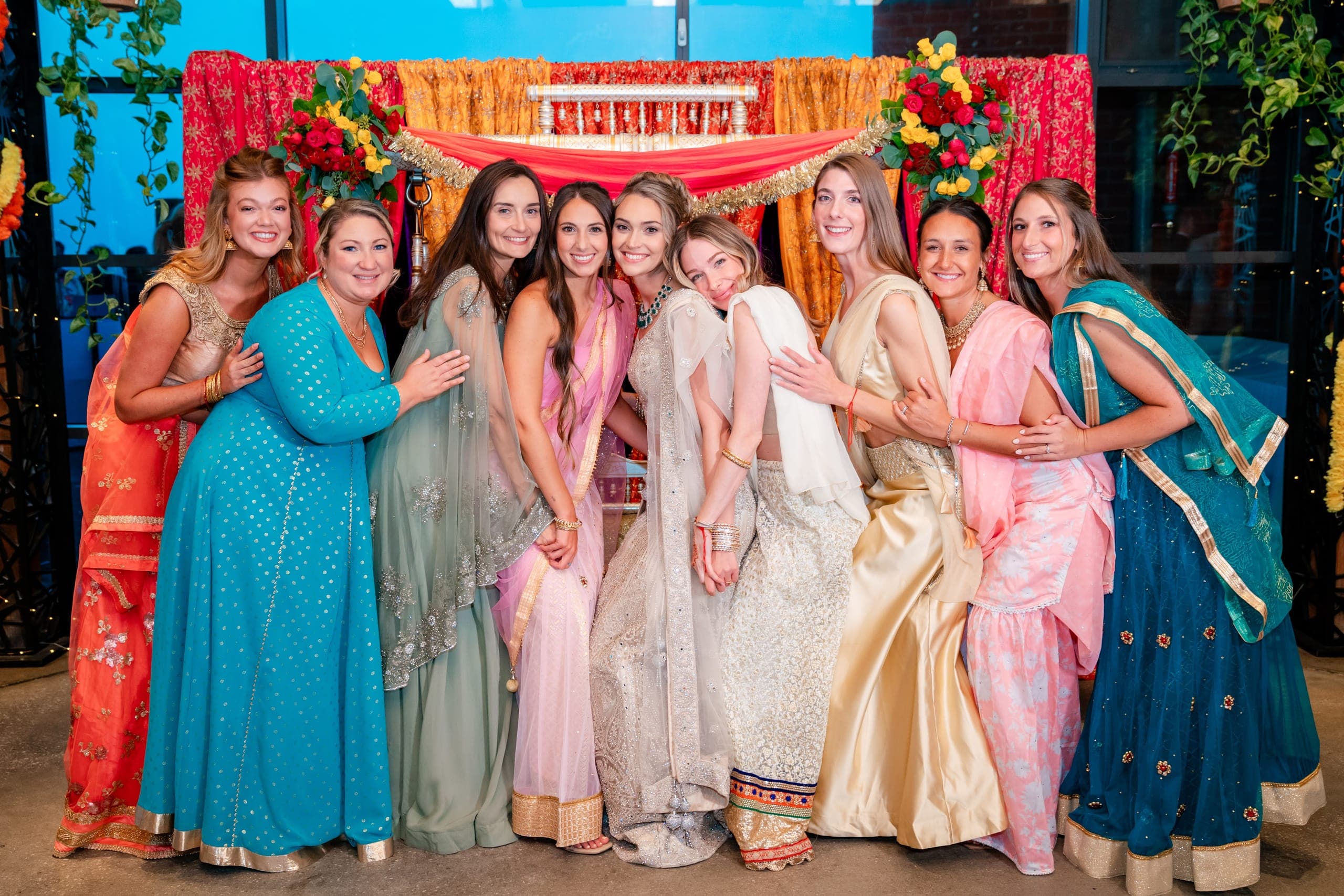
The Mehendi ceremony is a colorful, women-centered celebration where henna is applied to the bride. Traditional Mehendi songs in Punjabi set the tone, with the DJ providing a mix of folk tracks, Bollywood mehendi anthems, and contemporary Punjabi pop. Many families have specific songs they associate with mehendi, so gathering these requests ahead of time is essential.
The Sangeet night is the main pre-wedding party and the DJ's first major performance. This event features choreographed dance performances from both families, games, and open dancing. The DJ manages the entire program — cueing performance tracks, handling microphones for emcees and skits, and building the open dance floor from Bollywood crowd-pleasers into peak bhangra energy. The Jaggo is a unique Sikh tradition held the night before the wedding, where women carry decorated pots on their heads and dance through the neighborhood. The DJ provides portable sound for this procession, playing traditional Jaggo songs and high-energy Punjabi tracks. The Chura and Kalire ceremony, where the bride receives red bangles from her maternal uncle, calls for emotional Punjabi folk songs and tender Bollywood ballads.
The Baraat
The baraat is the groom's grand procession to the wedding venue, and in Sikh weddings, it is one of the most electrifying moments of the entire celebration. A live dhol player is not just recommended — it is essential. The raw, thunderous energy of a skilled dholi leading the procession while the groom's party dances through the streets cannot be replicated by speakers alone.
The DJ works in tandem with the dhol player, providing amplified music through portable outdoor speakers that layers over the live drumming. Song selection should be high-octane Punjabi anthems, classic baraat tracks, and crowd favorites that the entire party knows and loves. The energy should build continuously as the procession approaches the venue, peaking at the moment the groom arrives at the entrance.
Logistics require careful planning. Outdoor speakers need battery power or generator access, and the DJ should scout the procession route in advance to position sound equipment for maximum impact. Coordinating timing with the dhol player ensures that transitions between amplified music and live drumming feel natural rather than chaotic. The DJ should also be prepared for the milni ceremony that follows the baraat — the formal meeting of the two families — which requires a quick shift to a more respectful, celebratory tone.
The Reception
The Sikh wedding reception typically follows a Western-influenced format with cocktail hour, grand entrance, dinner, toasts, and open dancing — but with a distinctly Punjabi energy and musical flavor. The cocktail hour sets the tone with sophisticated background music: Punjabi lounge remixes, Bollywood instrumentals, and contemporary chill tracks that let guests socialize and settle in.
The grand entrance should be a high-impact production moment. The couple's entrance song is carefully chosen and coordinated with lighting effects, fog or cold sparks if the venue permits, and a polished emcee introduction that builds anticipation. First dances at Sikh receptions often feature romantic Punjabi or Bollywood ballads, though some couples opt for contemporary English songs that hold personal meaning.
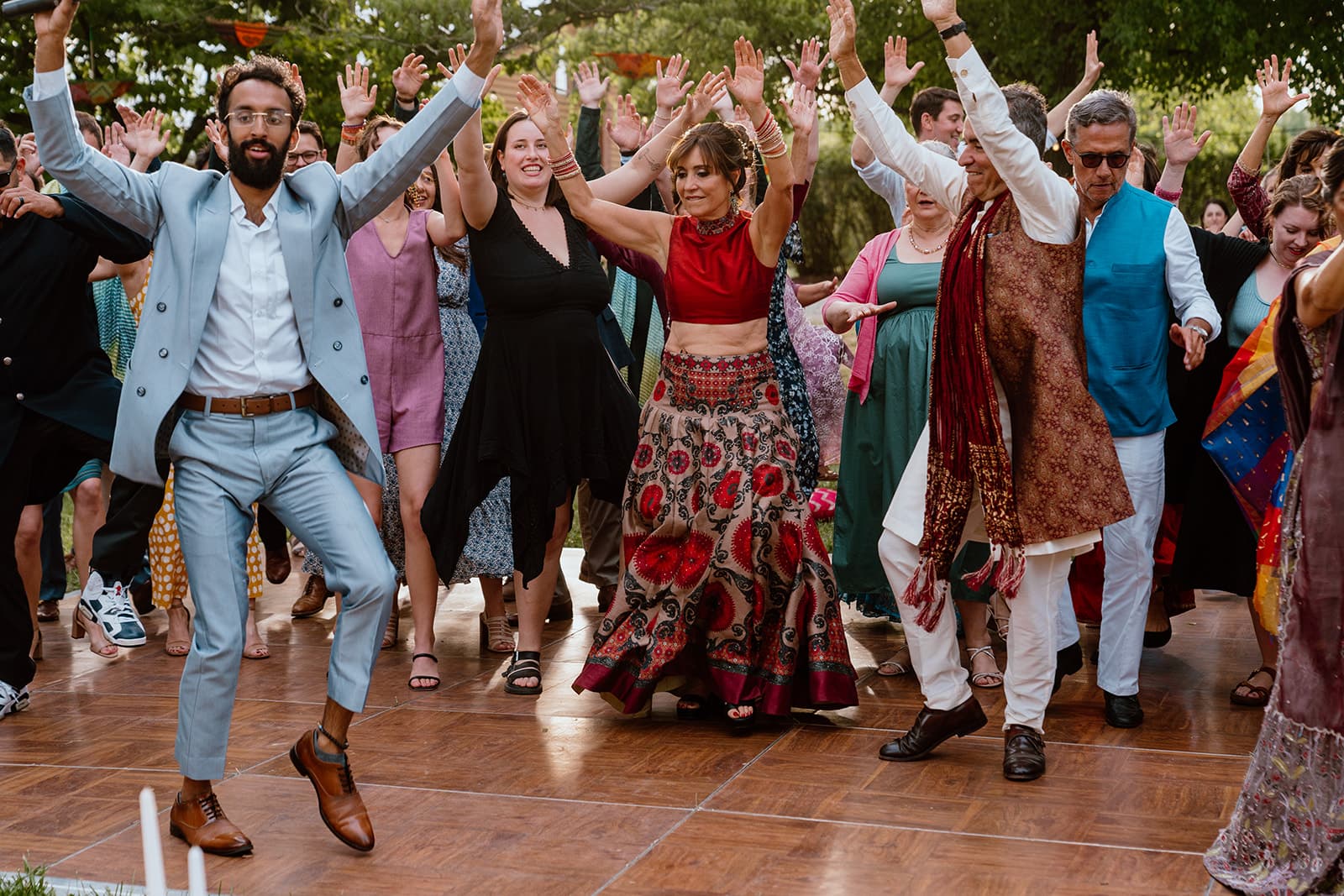
Dinner service calls for music that enhances conversation without competing with it — a curated blend of classic Bollywood, melodic Punjabi tracks, and light jazz or R&B. Once dinner wraps and speeches conclude, the dance floor opens with a strategic progression. Start with Bollywood hits that draw a broad crowd, layer in Punjabi pop and contemporary tracks, then escalate into full bhangra territory with dhol-heavy bangers and classic anthems. The peak of the night should feel like a Punjabi celebration at its absolute best — feet stomping, shoulders bouncing, and the entire room moving together.
Modern Sikh receptions increasingly blend Punjabi and Western genres. Hip-hop, reggaeton, Afrobeats, and EDM all find their place alongside traditional bhangra on the dance floor. The key is seamless transitions that respect the cultural core while welcoming cross-genre energy. A skilled DJ reads the room and adjusts the ratio of Punjabi to Western tracks based on the crowd's response in real time.
Essential Songs by Category
Every Sikh wedding DJ needs a deep library organized by ceremony and mood. For the baraat, classic Punjabi dhol tracks, high-energy anthems from artists like Diljit Dosanjh, AP Dhillon, and Sidhu Moose Wala are essential alongside timeless baraat standards. The sangeet demands a range from choreography-friendly Bollywood medleys to open-floor bhangra bangers.
Romantic moments — first dances, cake cutting, slow dances — call for emotional Punjabi ballads and Bollywood love songs that resonate across generations. Dinner music should include melodic tracks from classic and contemporary Punjabi and Bollywood artists that are pleasant and familiar without demanding attention.
The open dance floor requires the deepest catalog: old-school bhangra that gets uncles moving, contemporary Punjabi pop for the younger crowd, Bollywood party anthems for the mixed audience, and Western hip-hop, R&B, and pop for the fusion moments. Having clean edits of every track is non-negotiable, especially for family celebrations where explicit content would be inappropriate.
Modern Trends
The biggest trend in Sikh wedding entertainment right now is the dhol-plus-DJ combination, where a live dhol player performs alongside the DJ during the reception dance floor segment, not just the baraat. This creates an electrifying live element that elevates the energy far beyond what speakers alone can deliver. The dholi reads the crowd and improvises rhythms while the DJ layers tracks underneath, creating a dynamic interplay that feels spontaneous and thrilling.
Punjabi hip-hop and fusion music have transformed the modern Sikh wedding playlist. Artists who blend traditional Punjabi sounds with trap beats, drill production, and R&B melodies have created a new wave of tracks that appeal to the younger generation while maintaining cultural authenticity. DJs who stay current with these releases and know how to mix them alongside classic bhangra keep the dance floor packed across all age groups.
Production value is also trending upward. LED walls behind the DJ booth, cold spark machines flanking the dance floor, and synchronized lighting shows are becoming standard expectations at premium Sikh weddings. Couples want their reception to feel like a concert, and DJs who can deliver that level of production alongside musical expertise are in high demand throughout the DMV.
Choosing the Right DJ
The most critical question when hiring a DJ for a Sikh wedding is whether they genuinely understand the cultural boundaries. A DJ who knows not to play music during the Anand Karaj, who understands the significance of the Jaggo, and who can navigate the emotional nuances of the Chura ceremony demonstrates real cultural literacy. Ask directly about their experience with Sikh-specific traditions, and listen for detailed, confident answers rather than vague generalities.
Equally important is the depth of their Punjabi music library. A DJ who relies on a small rotation of popular bhangra hits will run out of material quickly and bore a crowd that grew up on this music. You want someone who carries deep cuts alongside the hits — folk tracks for the older generation, underground Punjabi releases for the younger crowd, and everything in between.
Finally, look for a DJ who approaches the planning process with genuine investment. Sikh weddings often span multiple events across multiple days, and each one requires its own playlist, timeline, and technical setup. A DJ who schedules thorough planning sessions, asks detailed questions about your family's preferences, and coordinates with your other vendors — dhol players, decorators, videographers — will deliver a cohesive experience that flows naturally from one celebration to the next.
Ready to Elevate Your Event?
Let DJ Taj Productions bring the energy, expertise, and production value your celebration deserves. Explore our South Asian Wedding Services or Live Dhol & Musicians, or browse more articles on the DJ Taj blog.
Get a Free Quote