Elevate your next corporate gala, holiday party, or team celebration with these proven entertainment strategies that engage guests and leave a lasting impression.
Set the Tone from the Start
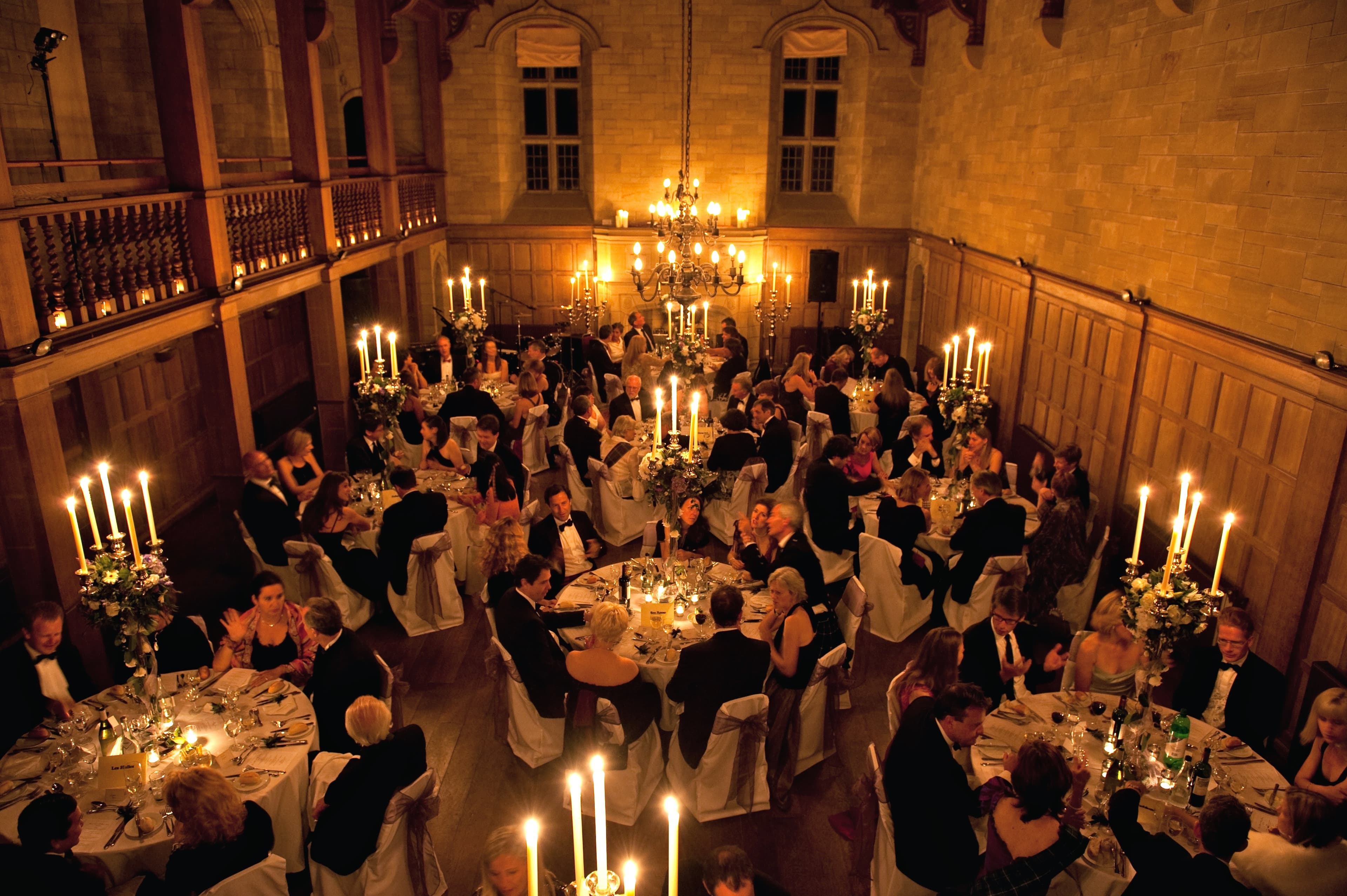
The first five minutes of a corporate event tell your guests everything they need to know about the night ahead. When attendees walk through the door and hear a carefully curated soundtrack playing at just the right volume — not so loud that they have to shout, but present enough to fill the space with energy — they immediately feel like they have arrived somewhere intentional. That initial sonic impression communicates professionalism, attention to detail, and the promise that the evening has been thoughtfully planned.
The lobby and arrival experience is where most corporate events miss an opportunity. Background music during registration should set a tone that matches your brand and the purpose of the gathering. A tech company launch party calls for something modern and forward-looking. A law firm's annual gala warrants something sophisticated and understated. The genre, tempo, and volume of your arrival music are all strategic choices that shape how guests feel before the program even starts.
Lighting plays into this first impression as well. Uplighting in your brand colors or a warm amber wash across the entryway instantly elevates the space from a standard hotel ballroom to something that feels curated. When sound and light work together from the moment guests arrive, you establish credibility and excitement simultaneously — and that combination carries through the entire event.
Know Your Audience
Reading a corporate crowd is a completely different discipline than reading a wedding dance floor. At a wedding, the guests share a common bond and are predisposed to celebrate. At a corporate event, you are dealing with coworkers who may not socialize outside the office, executives who are always somewhat on display, and a mix of ages and cultural backgrounds that varies wildly depending on the company. The DJ or entertainment team that ignores these dynamics is going to misjudge the room badly.
Understanding the industry culture of your client matters enormously. A holiday party for a creative agency is going to have a very different energy threshold than an event for an accounting firm or a government contractor. The same playlist that gets a startup team dancing on tables will make a group of senior partners deeply uncomfortable. Before the event, a good entertainment provider asks detailed questions about company culture, average age range of attendees, and what past events have looked like — both the successes and the failures.
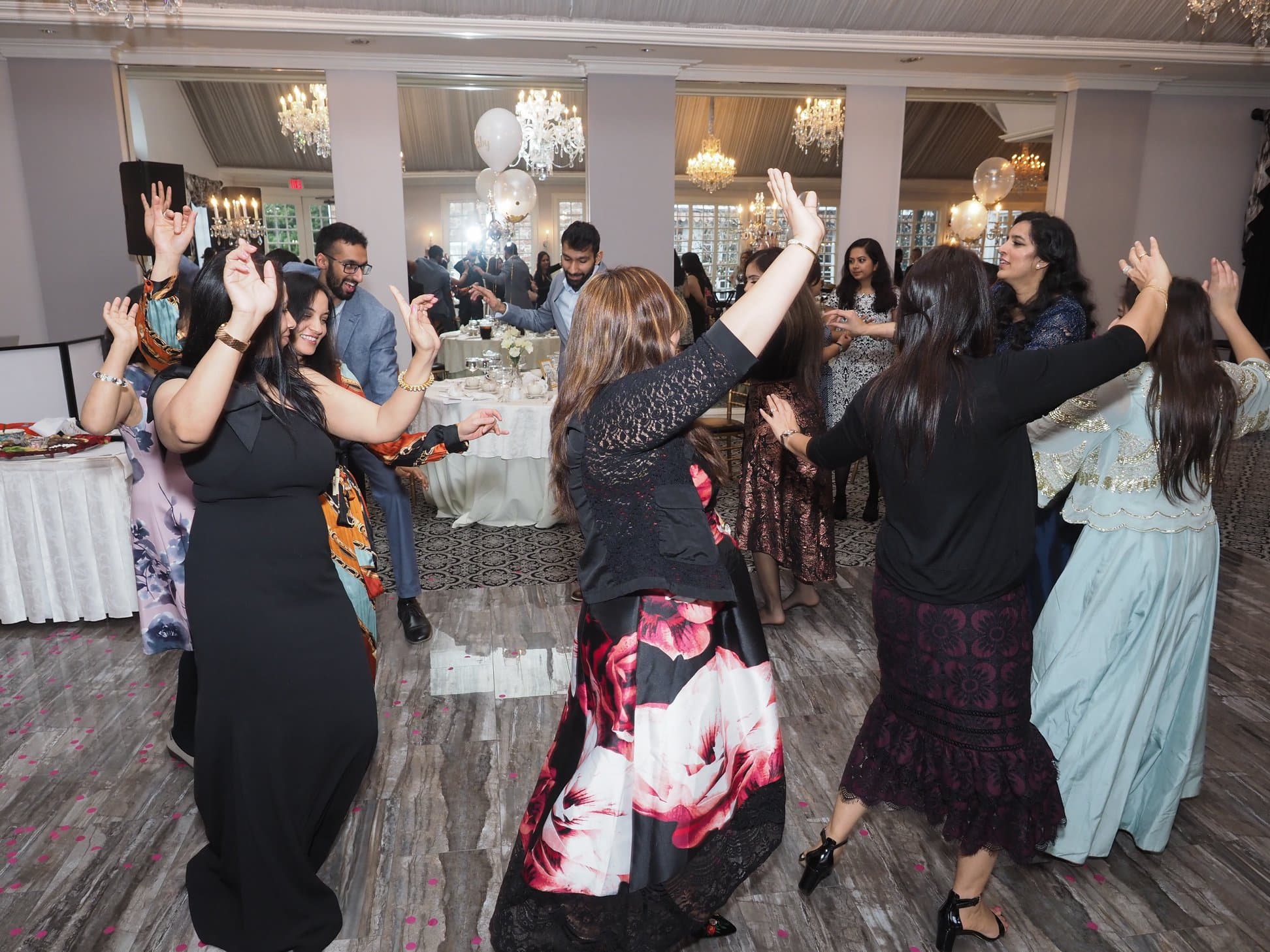
Observation is everything once the event is underway. A skilled DJ watches the room constantly — noting which tables are engaged and which are checking their phones, tracking when the bar gets busy versus when the dance floor does, and adjusting the energy in real time based on what the crowd is actually doing rather than what the playlist says they should be doing.
Production Value Matters
Corporate attendees notice production quality even when they cannot articulate why. When the speeches sound crisp and clear through a professional sound system, when the lighting shifts seamlessly between dinner mode and dance floor mode, and when every AV transition happens without a hitch, the overall impression is one of competence and class. Conversely, a single feedback squeal during the CEO's speech or a five-second gap of dead air during a video presentation can undermine the credibility of the entire event.
Uplighting is one of the simplest ways to transform a venue and reinforce brand identity. Washing the walls in your company's colors creates an immersive environment that feels purposeful. Combine that with intelligent lighting on the dance floor — moving heads, color washes that sync to the music — and you have a production that feels like a real event rather than a conference room with a speaker plugged in.
Sound quality for speeches and presentations deserves more attention than most planners give it. A wireless lavalier microphone for the CEO, a handheld for the emcee, and a backup for the inevitable moment when someone unexpected needs to say a few words should all be part of the standard setup. The DJ or production team should coordinate with any AV company handling slideshows or video playback to ensure seamless handoffs between entertainment and presentation segments.
Strategic Entertainment Timing
The biggest mistake in corporate event entertainment is treating the entire evening as a single block. In reality, a corporate event has distinct phases — arrival and networking, dinner and program, and social or dancing — and each phase requires a completely different approach to music, volume, and energy. The transitions between these phases are where events either gain momentum or lose the crowd entirely.
During dinner and speeches, the music should be barely there. Its job is to fill silence between speakers and provide a soft landing after applause, not to compete with conversation or presentations. Once the formal program wraps, the transition to social energy needs to be deliberate but not jarring. A skilled DJ builds a bridge by gradually increasing tempo and volume over fifteen to twenty minutes, moving from sophisticated dinner tracks to uptempo grooves that give people permission to get out of their seats.
Knowing when to push the energy and when to pull back is the art of corporate entertainment timing. If the dance floor is packed at nine thirty, that does not mean you blast the biggest hits right then — you save that ammunition for ten fifteen when energy would naturally start to dip. Strategic timing means every peak feels earned and every valley is short enough that the crowd never fully disengages.
The Follow-Up Factor
The real measure of a corporate event's success is what people say about it on Monday morning. If your colleagues walk into the office talking about how great the party was, sharing photos, and asking who the DJ was, you have achieved something that most corporate events never reach. That kind of buzz does not happen by accident — it is the result of intentional entertainment choices that gave people genuine moments of fun and connection.
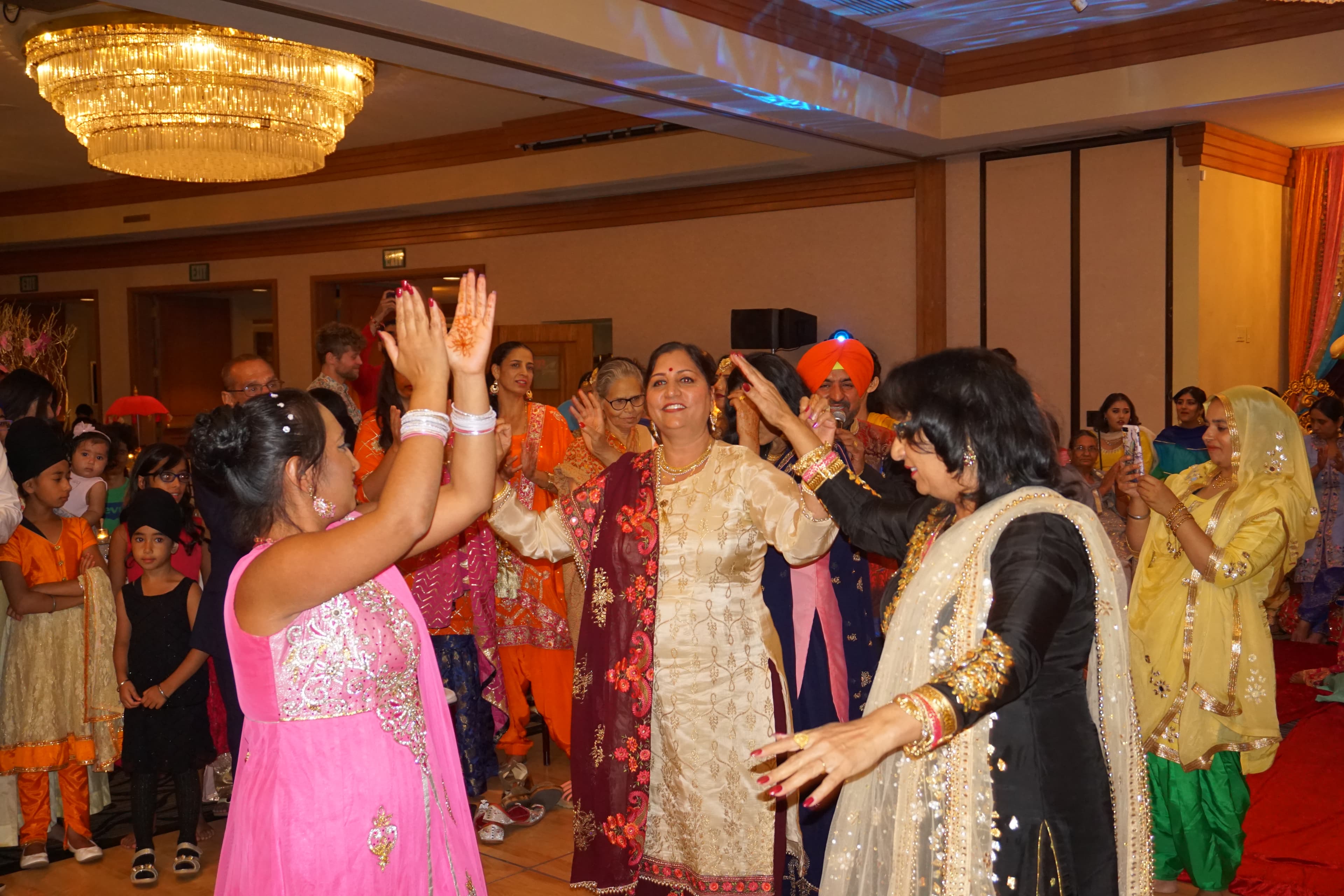
What makes a corporate event memorable versus forgettable usually comes down to a few specific moments. Maybe it was the point in the night when the CFO was spotted on the dance floor for the first time in company history. Maybe it was a perfectly timed song that got the entire room singing along. Maybe it was the production value that made people feel like they were at a real event rather than an obligatory company gathering. These moments are what separate a party people talk about from one they politely forget.
For the event planner, the follow-up factor is also about return on investment. The companies that invest in quality entertainment see higher attendance at future events, better employee morale, and a stronger sense of team culture. When people genuinely enjoy the company party, it becomes something they look forward to rather than something they attend out of obligation. That shift in attitude is worth far more than the difference in cost between a mediocre DJ and a great one.
Ready to Elevate Your Event?
Let DJ Taj Productions bring the energy, expertise, and production value your celebration deserves. Explore our Corporate Event DJ or Event Enhancements, or browse more articles on the DJ Taj blog.
Get a Free Quote