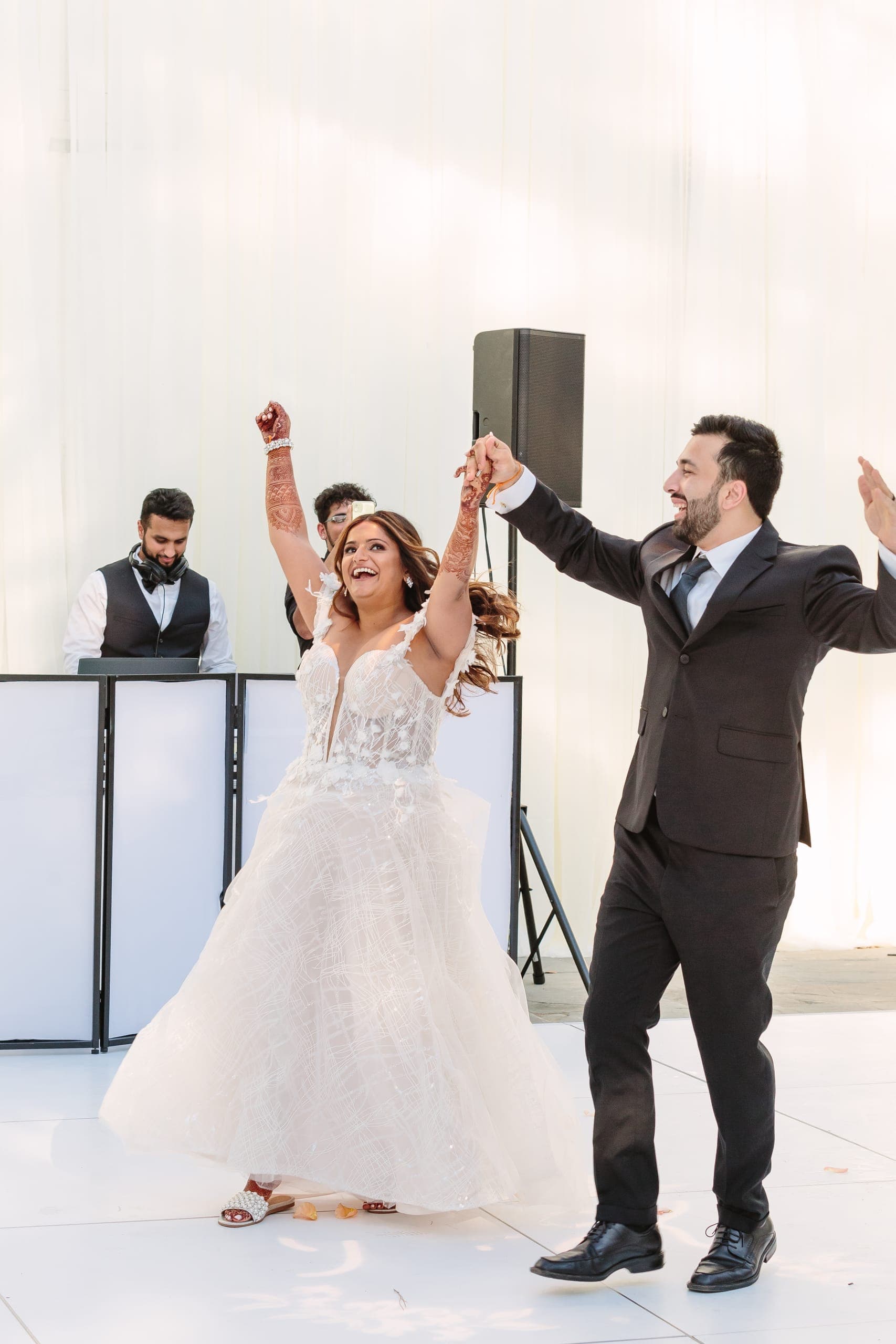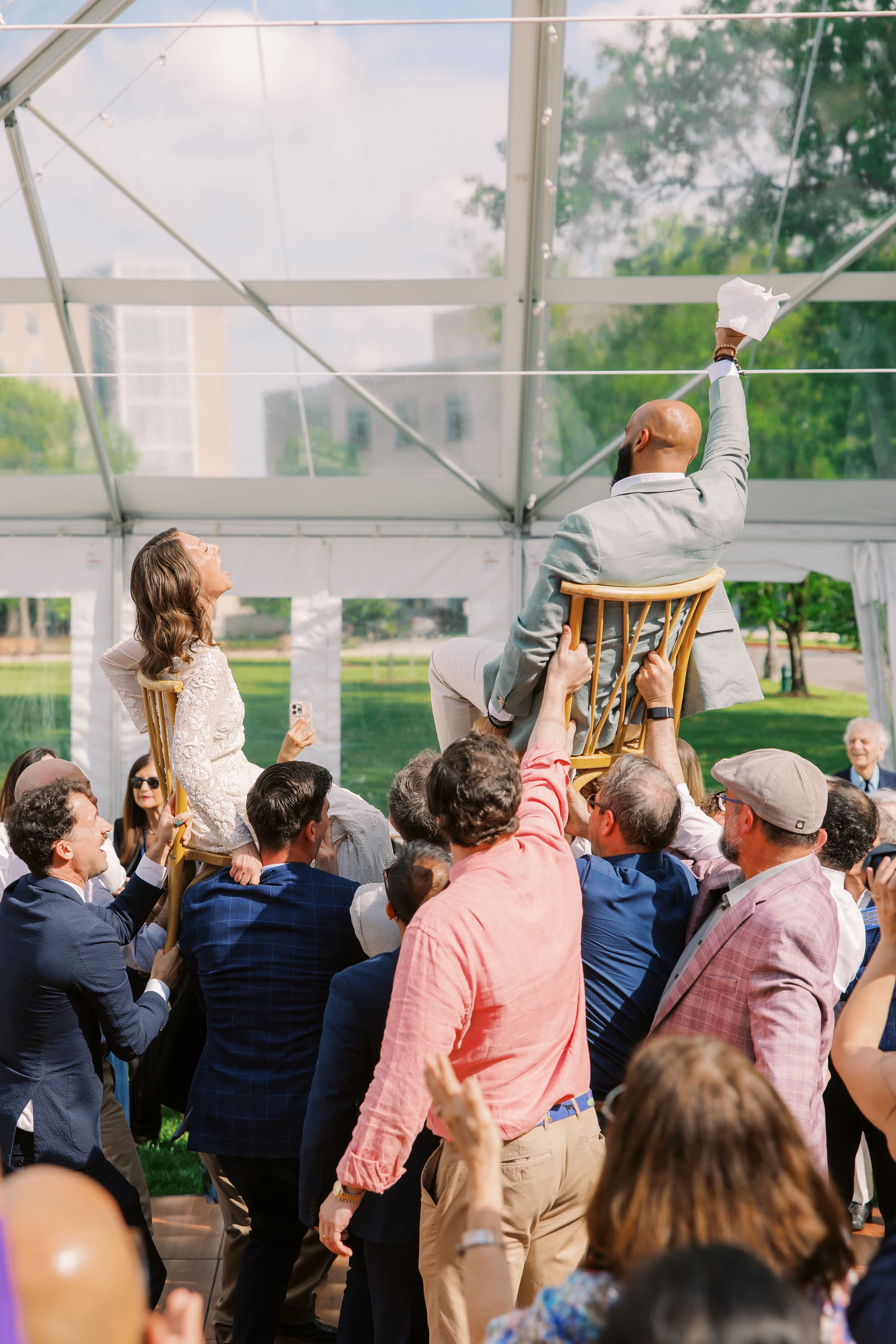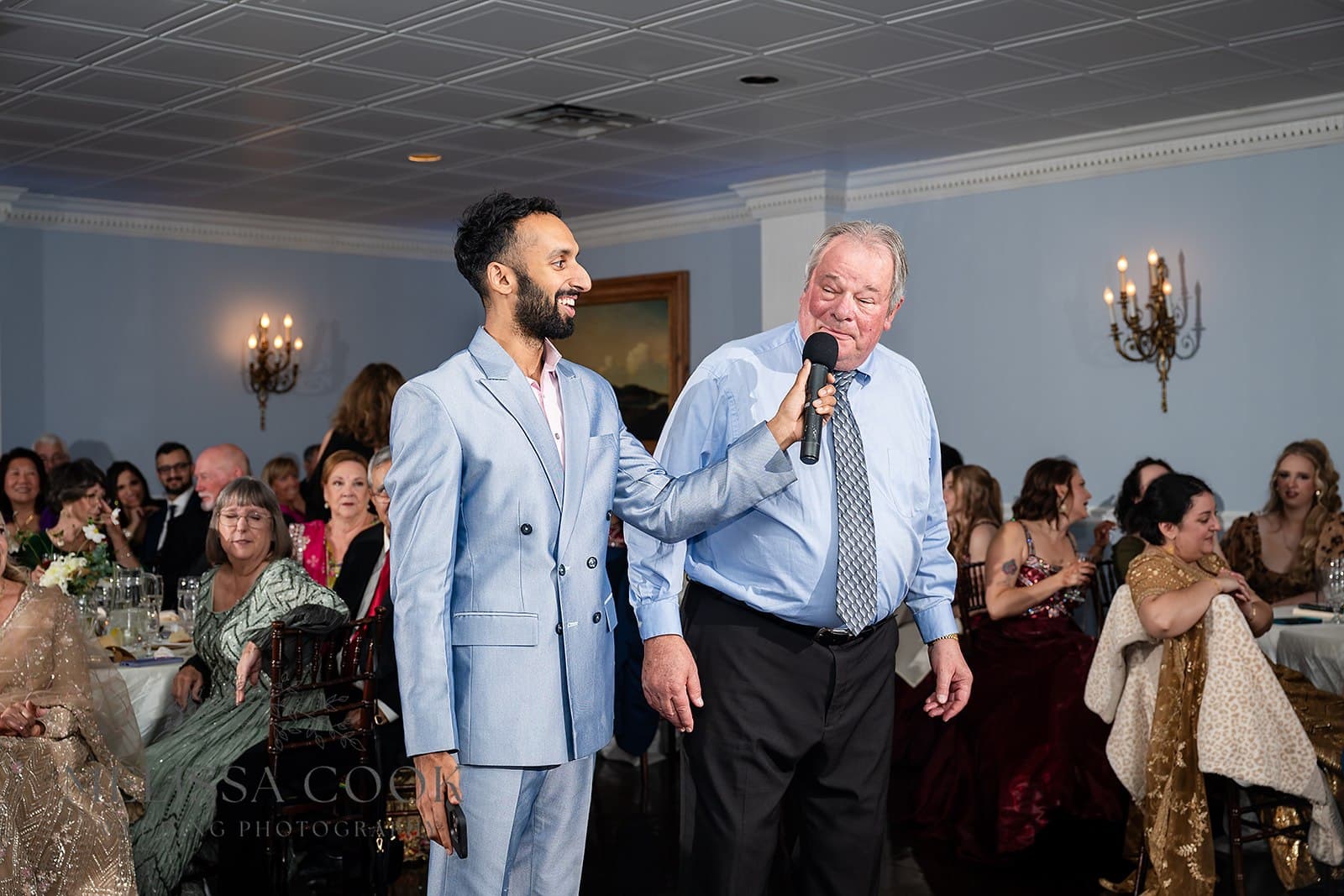
Not all DJs understand the flow of a South Asian wedding. Here is what to look for, the right questions to ask, and red flags to avoid when booking your DJ.
Why South Asian Weddings Are Different
A South Asian wedding is not a single event with a cocktail hour and a reception. It is a multi-day celebration that can span three to five distinct events, each with its own cultural significance, musical requirements, and emotional arc. From the sangeet to the baraat to the reception, every segment demands a different energy, a different playlist, and often a completely different technical setup. A DJ who treats this like a standard American wedding is going to fall flat before the first dance even starts.
The musical landscape alone sets South Asian weddings apart. You are dealing with Bollywood, bhangra, Punjabi folk, classical fusion, hip-hop, Top 40, and sometimes regional traditions that span multiple languages and decades. On top of that, the guest list typically includes three or four generations with very different tastes. The grandparents want to hear golden-era classics, the parents grew up on 90s Bollywood, and the younger crowd wants modern remixes and Western hits mixed in seamlessly.
Then there is the sheer scale and complexity of the timeline. A South Asian wedding DJ is not just playing music — they are managing ceremony transitions, coordinating with live dhol players, running sound for religious rituals, emceeing in multiple languages, and keeping energy levels calibrated across events that can run six or seven hours each. The skill set required is fundamentally different from what most wedding DJs are trained to do.
Cultural Fluency Is Non-Negotiable
Knowing the music is important, but cultural fluency goes much deeper than having the right songs in your library. It means understanding that the baraat is not just a procession — it is the groom's triumphant arrival, and the energy needs to be explosive from the moment the dhol starts. It means knowing that certain ceremony moments require complete silence or soft devotional music, and that playing the wrong track during a sacred ritual is not a minor mistake — it is a serious misstep that families will remember.
A culturally fluent DJ understands the emotional dynamics that run through every South Asian wedding. They know that the vidaai is a moment of deep emotion and that the music needs to honor that grief without making it performative. They know that the reception dance floor has a specific build pattern — you start with crowd-pleasers that pull in the hesitant dancers, then layer in the bhangra anthems, and save the biggest hits for when the floor is packed and the energy is peaking.
This fluency also means being able to communicate with families who have strong opinions about how things should go. South Asian parents are often deeply involved in wedding planning, and a DJ who cannot navigate those conversations with respect and confidence is going to create friction. The best DJs in this space treat every family meeting as part of the performance — they listen, they adapt, and they earn trust before the event even begins.
Questions to Ask Before Booking
Start with experience specifics. How many South Asian weddings has this DJ performed at in the last year? Have they worked with your specific cultural tradition — whether that is Gujarati, Punjabi, Pakistani, Bengali, or South Indian? Each tradition has distinct musical expectations and ceremony protocols, and a DJ who has only worked Punjabi weddings may not know the first thing about a Tamil reception. Ask for video from recent events, not just a highlight reel — you want to see how they manage real moments in real time.
Dig into the music library. A great South Asian wedding DJ has thousands of tracks spanning decades and genres, and they should be able to talk fluently about their collection. Ask whether they take requests, how they handle the generational balance between classic and contemporary tracks, and whether they can mix live — blending Bollywood with Western hits on the fly rather than just playing pre-made playlists back to back.
Get practical about equipment and logistics. Do they carry backup gear? Can their sound system handle both an intimate sangeet in a home and a 400-person reception in a ballroom? How do they handle outdoor baraats where portable speakers and battery power are essential? And critically, what is their backup plan if something goes wrong — a blown speaker, a power outage, a schedule change? The answers to these questions reveal whether you are dealing with a professional or someone who is winging it.
Red Flags to Watch For
The biggest red flag is a DJ who markets themselves as handling South Asian weddings but cannot speak to the specifics of any single tradition. If they describe their experience as doing Indian weddings without distinguishing between a Sikh Anand Karaj and a Hindu ceremony, that tells you their cultural knowledge is surface-level. Generic South Asian playlists pulled from Spotify are not a substitute for a deep, curated music library built over years of real event experience.
Be cautious of any DJ who does not insist on a detailed consultation before quoting a price. A South Asian wedding has too many variables — number of events, ceremony types, venue sizes, cultural requirements, family dynamics — for anyone to give you an accurate quote based on a date and a guest count alone. If a DJ is ready to book without asking questions, they are planning to deliver a cookie-cutter performance regardless of what you actually need.
Watch out for the subcontractor model. Some DJ companies book your event and then send a different person to perform on the day. The DJ you met during the consultation, the one who seemed to understand your vision and your culture, is not the person who shows up with the speakers. Always confirm who will actually be performing at your wedding, and insist on meeting that person before you sign anything.
The In-House Advantage
There is a meaningful difference between a DJ service that hires contractors to cover South Asian weddings and a team that was raised in the culture. When your DJ grew up attending the same kinds of celebrations they are now performing at, the instincts are different. They do not need a checklist to know when the energy should shift or which song will get the aunties on the floor. That knowledge is woven into how they approach every event because they have been living it their entire lives.
A family-run operation also brings continuity and accountability that a large contractor model cannot match. When the person who answers your first inquiry is the same person who runs sound check, emcees your reception, and follows up afterward, there is a level of personal investment in your event that you simply do not get from a rotating roster of hired DJs. Your wedding is not just another booking — it is a reflection of their family name and their reputation in the community.
The cultural roots also show up in the small details that make a big difference. Knowing how to pronounce names correctly without being coached. Understanding family hierarchies and who should be acknowledged during introductions. Recognizing when a song choice is about honoring a late family member rather than just filling the playlist. These are the moments that turn a good DJ into someone your family genuinely trusts with one of the most important days of your life.
Ready to Elevate Your Event?
Let DJ Taj Productions bring the energy, expertise, and production value your celebration deserves. Explore our Wedding DJ Packages or Event Enhancements, or browse more articles on the DJ Taj blog.
Get a Free Quote