The baraat sets the tone for the entire wedding. Learn how to coordinate the procession, choose the right music, and create a grand entrance everyone will remember.
What Makes a Great Baraat
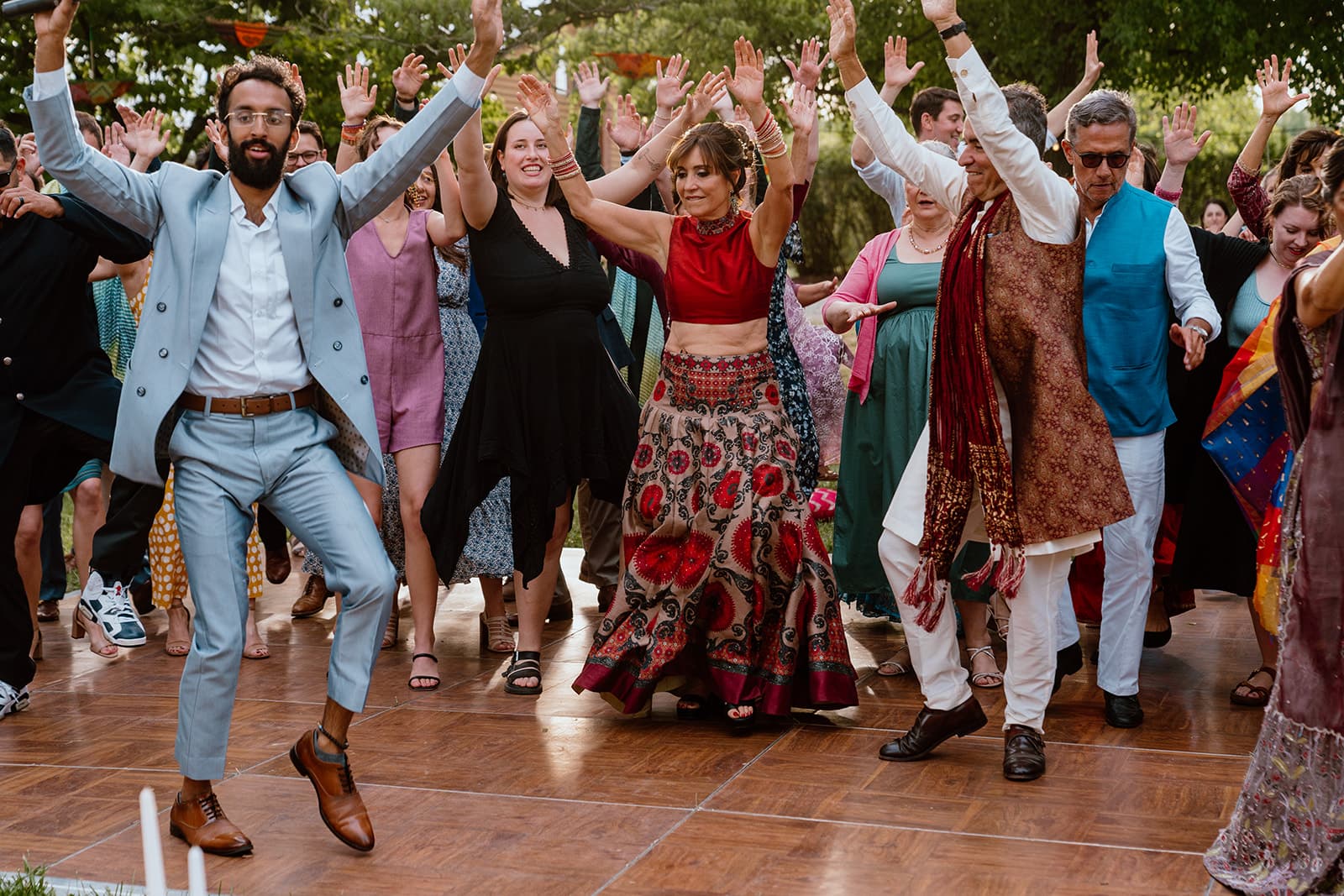
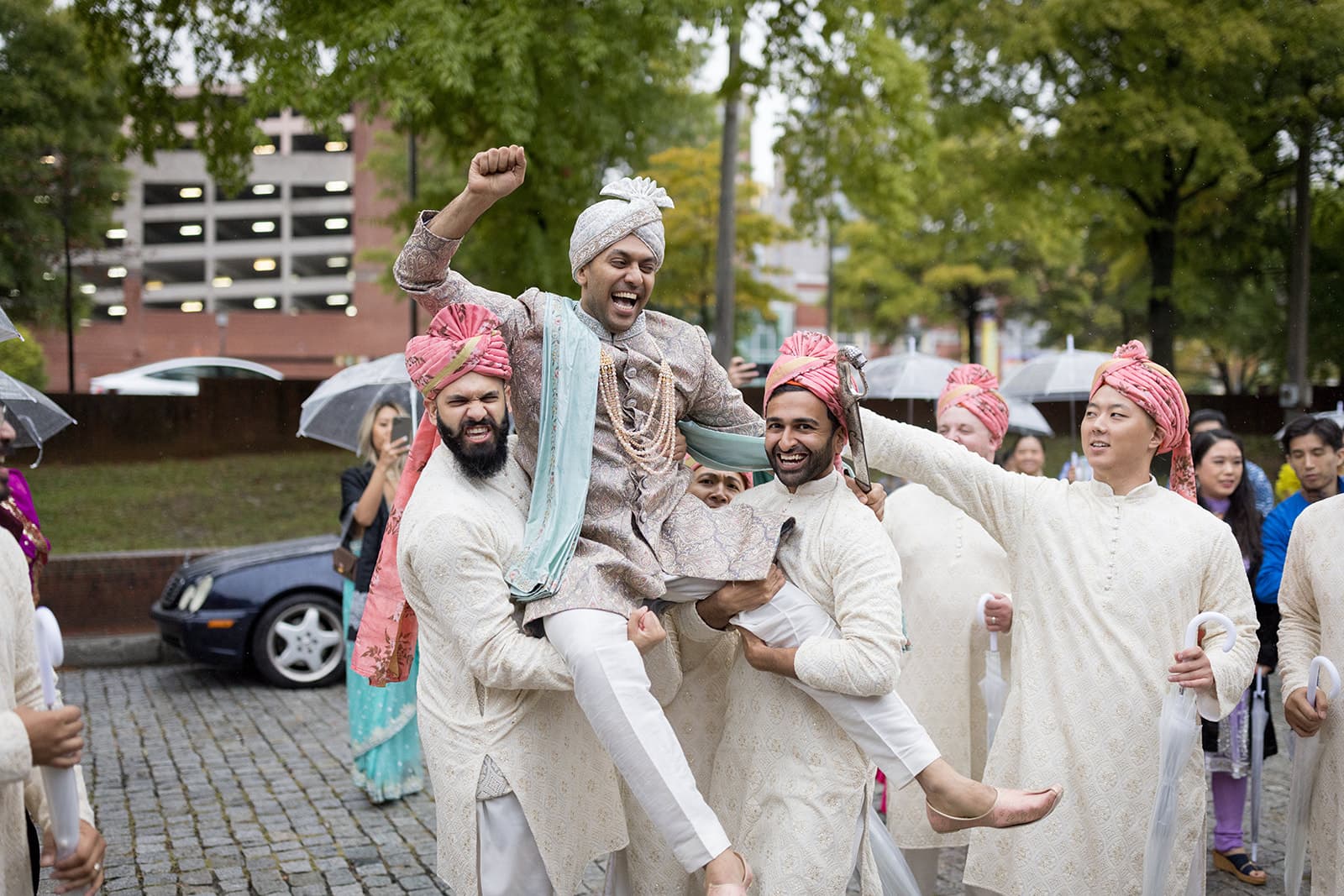
The baraat is the groom's grand entrance, and it sets the emotional tone for the entire wedding day. At its best, a baraat is pure joy and controlled chaos, a procession of dancing family and friends escorting the groom to his bride with the kind of energy that makes strangers stop and watch. It is one of the most visually and sonically dramatic moments in a South Asian wedding, and getting it right requires more than just showing up and walking forward.
What separates a memorable baraat from a forgettable one is intention. The best baraats have a sense of momentum that builds from the first beat of the dhol to the moment the groom steps through the venue doors. Every element works together: the music, the dancing, the pace of the procession, and the crowd's energy. When these pieces align, the baraat becomes a communal experience that bonds the groom's side before the ceremony even begins.
Think of the baraat as the opening act of the wedding. It tells the bride's family and guests what kind of celebration they are in for. A high-energy, well-coordinated baraat signals that this wedding is going to be something special. It gives the groom his moment to shine and gives his closest people a chance to celebrate him before the focus shifts to the couple together.
Music and Dhol Coordination
Live dhol is not optional for a great baraat. It is the heartbeat of the entire procession. The deep, rhythmic pulse of a dhol player cuts through outdoor noise, energizes the crowd, and creates a visceral connection that speakers alone cannot replicate. But live dhol works best when it is paired with a DJ running a mobile sound setup so that the music and the live drumming complement each other rather than compete.
Coordinating between your DJ and dhol player requires advance planning. The DJ needs to know which tracks the dhol player will accompany and which moments will feature dhol solo. The best approach is to create a baraat playlist together, identifying spots where the dhol leads, where the DJ speakers carry the music, and where both hit simultaneously for maximum impact. This rehearsal does not need to be elaborate, but a fifteen-minute phone call between the DJ and dhol player before the wedding day makes a massive difference.
Mobile sound is the technical backbone of a baraat. Your DJ should have a portable speaker setup that can move with the procession, delivering clear, powerful sound without being tethered to a power outlet. Battery-powered PA systems have come a long way, and a professional DJ will have equipment specifically designed for outdoor, moving events. If your DJ cannot describe their mobile baraat setup in detail, that is a red flag.
Route Planning and Logistics
Walking the baraat route before the wedding day is one of the most overlooked steps in planning. You need to know the exact path the procession will take, where the terrain changes, where there are curbs or steps, and where the sound might get swallowed by open space or bounce off buildings. A route that looks straightforward on paper can have surprises that affect the energy and flow of the procession.
Outdoor to indoor transitions deserve special attention. The moment the baraat moves from an open parking lot or garden path into a venue hallway or lobby, the acoustics change dramatically. Sound that carried beautifully outside can become muddy and overwhelming indoors. Your DJ should plan for this transition, adjusting volume and potentially switching from mobile speakers to the indoor sound system at a specific point along the route.
Watch out for sound dead zones, areas where music gets lost due to distance, wind, or physical barriers. If the procession stretches out over a long path, guests at the back may not hear the music at all. Strategic speaker placement along the route or a second mobile speaker positioned at the midpoint can solve this problem. The goal is for every person in the procession to feel the music driving them forward.
Timing It Right
The ideal baraat length is fifteen to twenty-five minutes. That is long enough to build energy, give everyone a chance to dance, and create memorable moments without exhausting your guests before the ceremony even starts. Baraats that stretch past thirty minutes start losing steam. People get tired, the energy plateaus, and what started as excitement turns into a march to the finish line.
Coordinate your baraat timing with the ceremony start time and work backward. If the ceremony begins at five, the baraat should start moving no later than four-thirty, giving a buffer for the procession itself and the transition into the venue. Account for the fact that baraats almost always take longer than planned because people are having fun and moving slowly. Build an extra ten minutes into your timeline as a cushion.
Weather and temperature play a bigger role than most people anticipate. A summer baraat in ninety-degree heat needs to be shorter and tighter than one on a cool October evening. If you are planning a baraat during peak summer months, consider starting later in the evening when the temperature drops, and keep the route as short as possible. Your guests will dance harder and longer if they are not fighting the heat.
The Entrance Moment
The transition from the outdoor baraat to the indoor venue is the climax of the entire procession. This is the moment where the groom arrives, where the two families come together, and where the energy of the baraat channels into a singular, dramatic entrance. Getting this moment right requires precise coordination between your DJ, the venue staff, and your wedding planner.
The energy shift at the entrance should feel like a wave cresting. As the groom approaches the door, the music should build to its peak. The crowd tightens around him, the dhol intensifies, and when he steps through those doors, the room inside should erupt. This does not happen by accident. Your DJ needs to be in communication with someone at the door who can signal when the groom is thirty seconds out so the indoor music and lighting can be cued to match the arrival.
Once the groom is inside, the baraat energy needs to be channeled, not killed. A hard stop where the music suddenly cuts and everyone is told to sit down deflates the room. Instead, the best approach is to let the indoor music ride for another minute or two while the groom makes his way to the front, giving the baraat crew one last moment of celebration before the formal ceremony begins. That controlled wind-down preserves the joy while respecting the shift in tone.
Ready to Elevate Your Event?
Let DJ Taj Productions bring the energy, expertise, and production value your celebration deserves. Explore our South Asian Wedding Services or Live Dhol & Musicians, or browse more articles on the DJ Taj blog.
Get a Free Quote