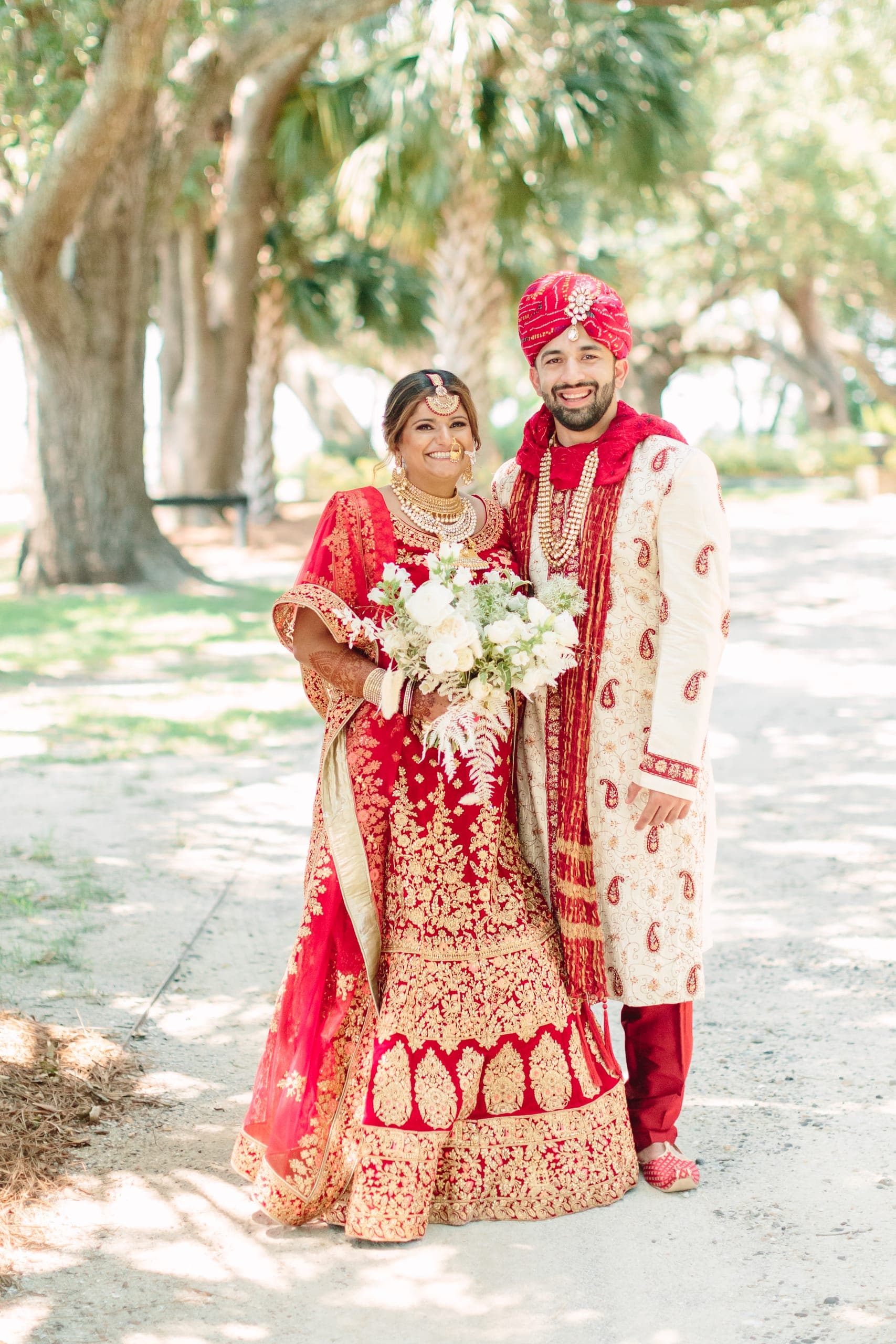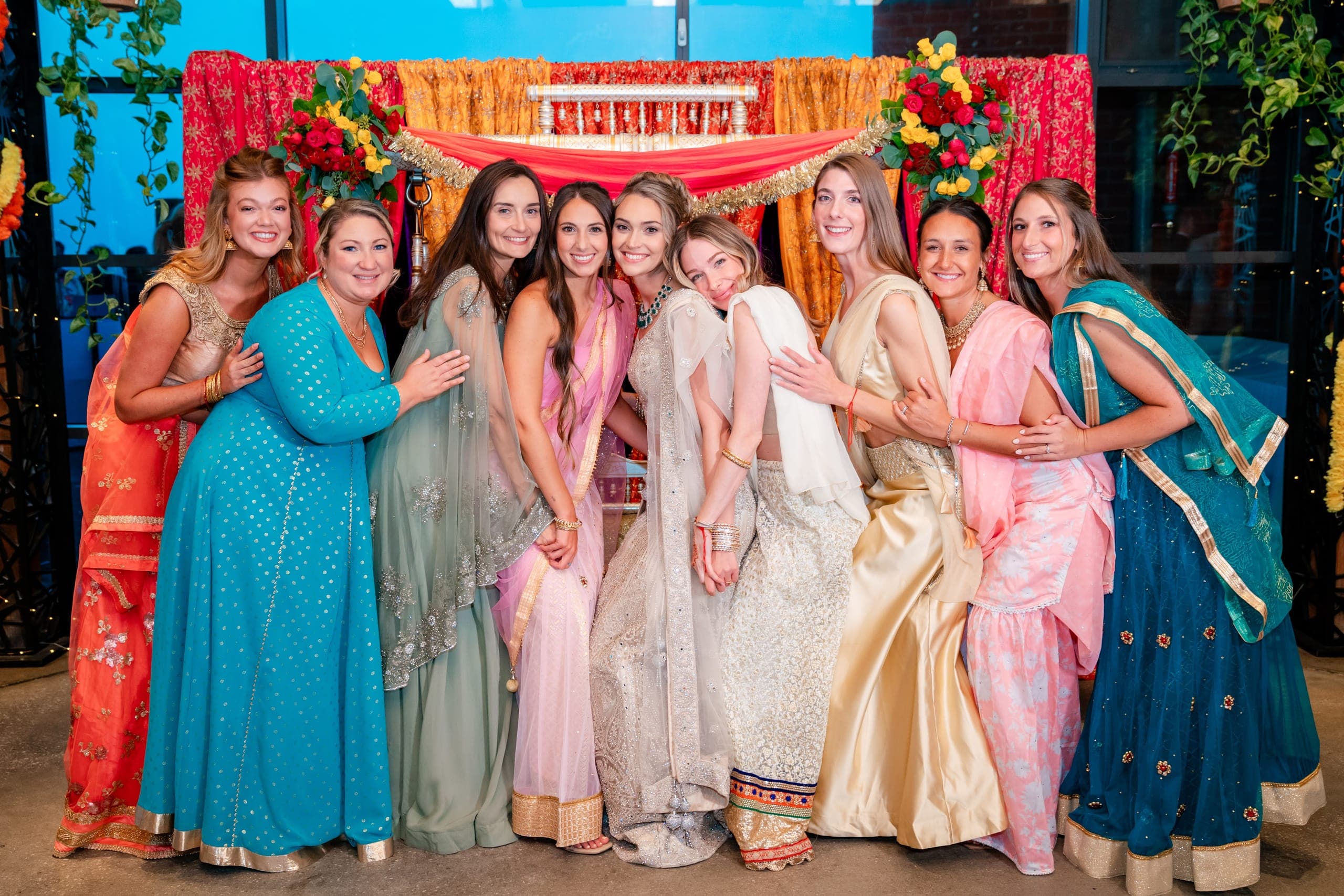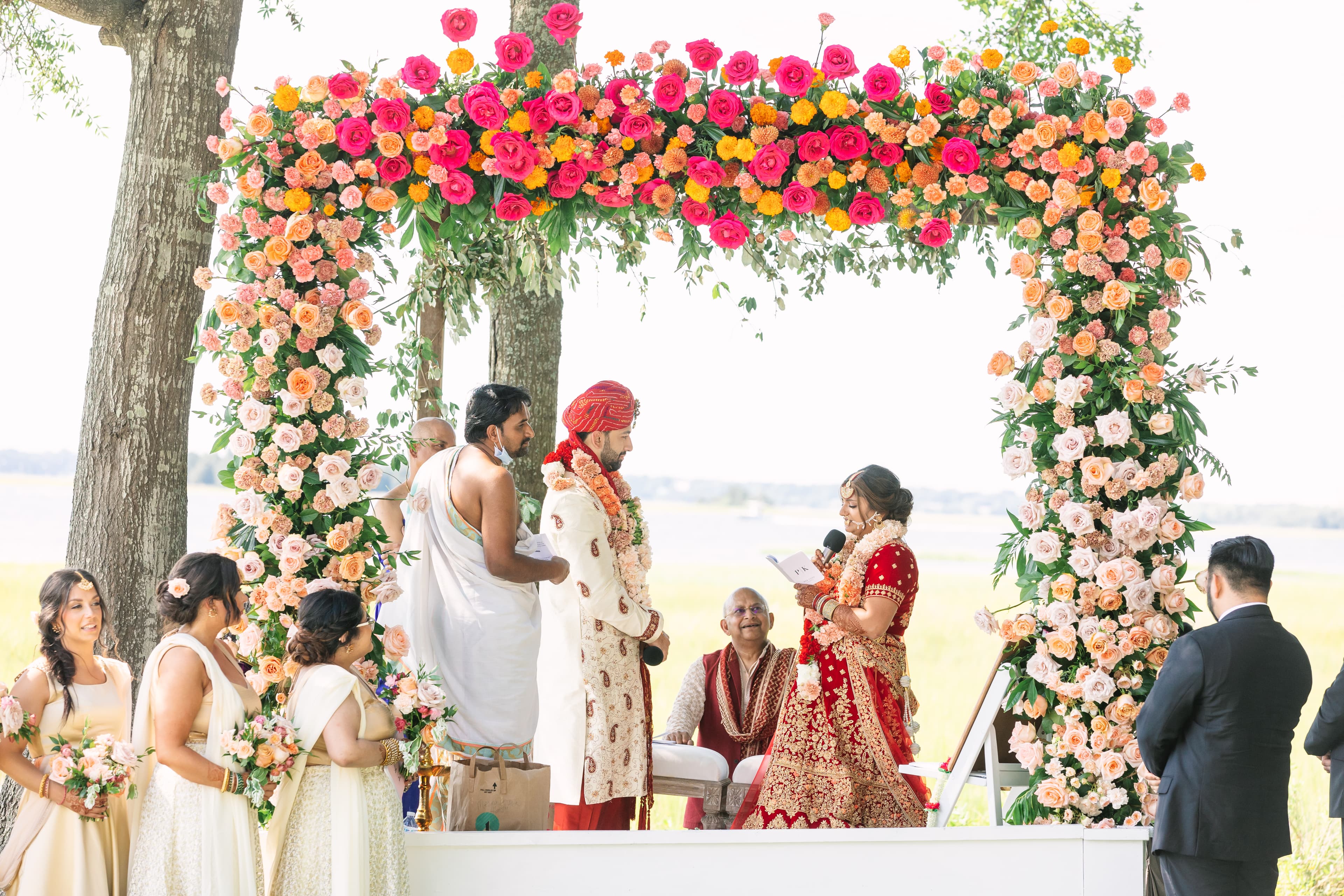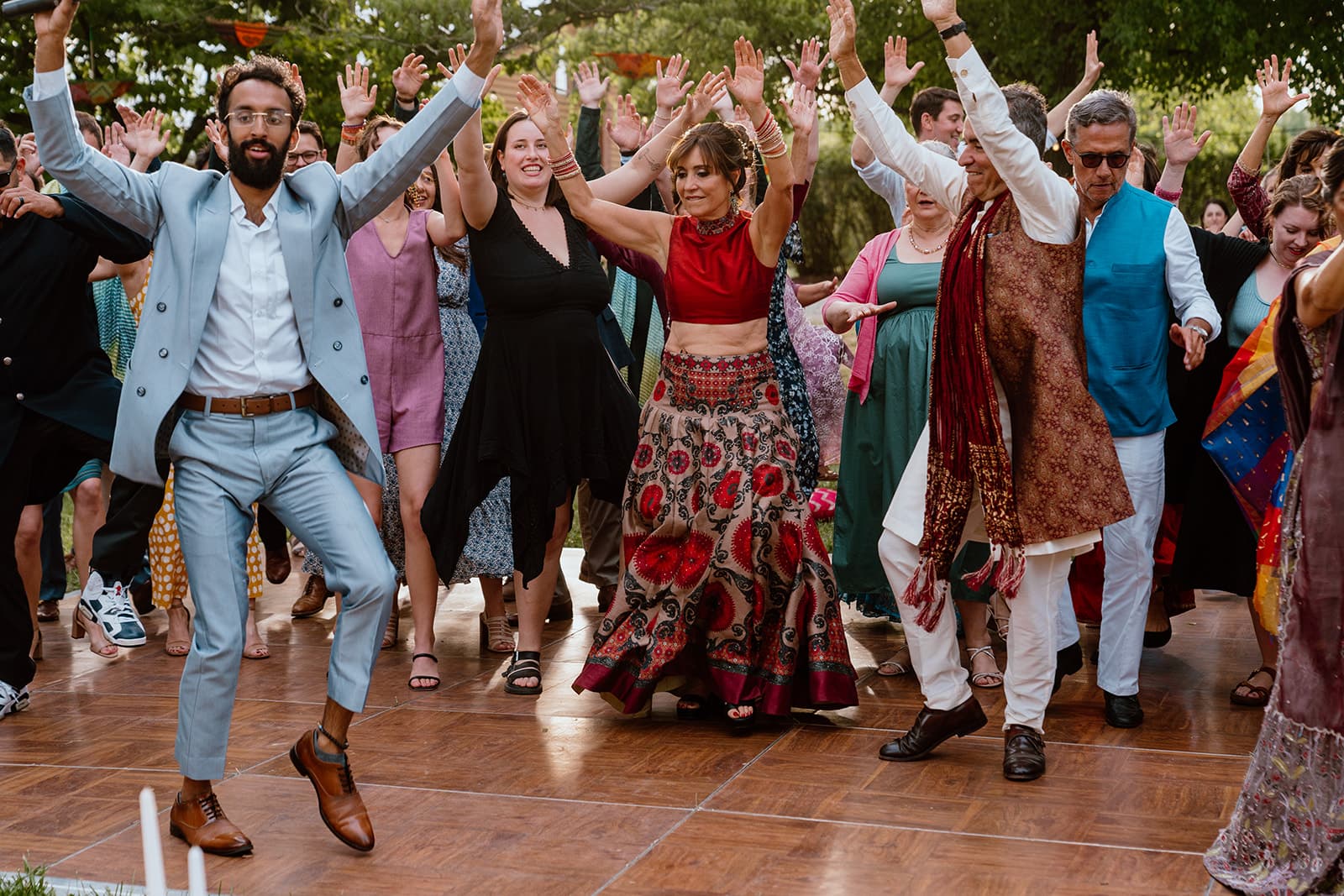
From the baraat dhol to the last Bhangra anthem, plan every musical moment of your Punjabi wedding in Baltimore, DC, and the DMV with expert DJ tips.
Why Punjabi Weddings in the DMV Are a Category of Their Own
Punjabi weddings are not just weddings. They are multi-day celebrations that overflow with color, energy, emotion, and some of the most electrifying music and dance you will find at any event anywhere in the world. After DJing Punjabi weddings across Baltimore, Washington DC, and the entire DMV region for years, I can say without hesitation that these celebrations demand more from an entertainment team than any other type of event I work. The sheer number of distinct events in a Punjabi wedding week, each with its own musical traditions, emotional register, and energy expectations, means that the DJ has to be part music historian, part cultural ambassador, part crowd psychologist, and part hype man. Getting it right means delivering an experience that honors generations of tradition while still bringing the modern production energy that today's Punjabi couples in the DMV expect.
The DMV Punjabi community is vibrant, tight-knit, and deeply invested in celebrating weddings the right way. Families in areas like Ashburn, Chantilly, Centreville, Columbia, Ellicott City, Rockville, and Germantown have been hosting elaborate Punjabi weddings at venues throughout the region for decades, and the expectations are high because the community has seen great celebrations and knows exactly what they should look and sound like. When a Punjabi family in the DMV hires a DJ, they are not just looking for someone who can play Bhangra music. They want someone who understands the difference between a Boliyan and a Tappe, who knows when to bring in the dhol player and when to let the recorded music carry the moment, who can pronounce every artist name correctly on the microphone, and who can transition from a classic Gurdas Maan ballad to a Diljit Dosanjh banger without losing a single person on the dance floor.
What makes Punjabi weddings in the DMV particularly exciting is the generational blend that defines these celebrations. The grandparents and older aunties and uncles grew up on the golden era of Punjabi folk music, Chamkila, Surjit Bindrakhia, Kuldeep Manak, and Asa Singh Mastana. The parents' generation connects with Gurdas Maan, Hans Raj Hans, and the classic Bollywood romantic era. The younger guests and the couple themselves are typically immersed in the current Punjabi pop explosion, AP Dhillon, Sidhu Moose Wala, Karan Aujla, Shubh, Diljit Dosanjh, and the global Punjabi music movement that has put Bhangra on mainstream stages worldwide. A DJ who can weave all three generations into a single dance set, making Nani-ji feel just as celebrated as the couple's college friends, is worth their weight in gold at a DMV Punjabi wedding.
The other dimension that sets Punjabi weddings apart is the physical energy. Punjabi guests do not politely sway on the dance floor. They dance with their entire bodies, jumping, spinning, doing Bhangra shoulder shrugs that shake the floor, lifting the groom onto their shoulders, and sustaining that energy for hours at a time. The sound system, the lighting, the bass response, and the overall production have to match that energy or the celebration feels restrained. I have learned through experience exactly what it takes to support a Punjabi dance floor in the DMV, from the subwoofer configuration that delivers chest-thumping dhol bass to the lighting design that turns a hotel ballroom into a concert arena. This guide covers every event in the Punjabi wedding week and the entertainment approach that makes each one unforgettable.
Roka, Chunni Ceremony & Pre-Wedding Music Essentials in the DMV
The Punjabi wedding journey begins well before the main wedding day, and the pre-wedding ceremonies set the tone for everything that follows. The Roka ceremony, which formalizes the engagement between the two families, is typically an intimate gathering at a family home or a restaurant private dining room in the DMV. Musically, the Roka calls for a warm, festive background that celebrates the moment without overwhelming the intimate setting. I recommend a curated playlist of classic Punjabi wedding folk songs, modern romantic Punjabi tracks, and soft Bollywood melodies that play at conversational volume while families exchange gifts, share sweets, and take photos. Tracks like Mere Waaliya by Diljit Dosanjh, Laung Laachi by Mannat Noor, and classic folk wedding songs create the perfect sonic backdrop for this joyful occasion.
The Chunni ceremony, where the groom's family formally presents a chunni or dupatta to the bride along with gifts, is another pre-wedding event that has a distinct musical identity. This ceremony is often held at the bride's family home or at a venue in areas like Potomac, Clarksburg, or Bristow where many DMV Punjabi families reside. The musical approach is similar to the Roka but with an added emphasis on traditional Punjabi folk songs that the older women in the family often sing along with. Having a professional sound system even at these smaller pre-wedding events, with a wireless microphone for any family members who want to sing or speak, elevates the celebration significantly. Many DMV families are now hiring a DJ for the Chunni ceremony specifically because they want the music quality to match the significance of the moment.
The Haldi ceremony, known in Punjabi tradition as the Vatna or Maiyan, is where the entertainment energy starts to build. This turmeric ceremony is one of the most colorful and emotionally charged pre-wedding events, and in the DMV it has evolved from a simple family ritual into a full-scale celebration with coordinated outfits, professional photography, and curated music. The Maiyan playlist should include traditional Suhaag songs that are specific to Punjabi weddings, modern Punjabi tracks that reference haldi and wedding preparation, and fun, upbeat songs that encourage the playful energy of guests applying turmeric paste to the bride or groom. I always include classic tracks like Veer Di Viah by the Punjabi folk tradition and blend them with contemporary favorites that keep the energy celebratory and light.
For all pre-wedding events, I advise DMV Punjabi families to think about the sound setup even if they are not hiring a full DJ service. A quality Bluetooth speaker is the minimum for a Roka or Chunni at home, but for a Maiyan with thirty or more guests, a proper portable PA system makes a world of difference. The vocals in Punjabi folk music, particularly the high-pitched, ornamental singing style that characterizes traditional wedding songs, need a speaker system that can reproduce those frequencies clearly without distortion. A consumer Bluetooth speaker will clip and distort on those vocal peaks, turning beautiful music into a harsh, tinny sound. If you are hosting any pre-wedding event at a venue or community hall in the DMV, ask about the house sound system or bring a professional setup that does justice to the music.
Planning the Ultimate Punjabi Baraat in Baltimore, DC & the DMV
The baraat is the crown jewel of Punjabi wedding entertainment, and in the DMV it has become an event within an event that rivals the reception itself for sheer energy and spectacle. For those unfamiliar with the tradition, the baraat is the groom's wedding procession, where the groom arrives at the wedding venue accompanied by family and friends who are dancing, celebrating, and making as much joyful noise as possible. In Punjabi culture, the baraat is not a quiet, dignified procession. It is a full-throttle party in the street or parking lot, complete with a live dhol player, a decorated vehicle for the groom, dancing that would put most nightclubs to shame, and increasingly in the DMV, professional sound systems, LED lighting, smoke machines, confetti cannons, and even horse-drawn carriages or vintage cars for the groom's entrance.
The dhol is the heartbeat of every Punjabi baraat, and finding a skilled dhol player in the DMV is essential. A great dhol player does not just keep a beat. They read the crowd, build energy through rhythmic patterns, interact with the dancers, and create call-and-response moments that elevate the baraat from a procession into a performance. At DJ Taj Productions, we work with some of the best dhol players in the Baltimore, DC, and Virginia region, and we coordinate the dhol performance with our DJ setup so that the live percussion and the recorded music complement each other seamlessly. The key is having the DJ and dhol player on the same communication channel, typically through in-ear monitors, so the DJ can bring in a track that matches the dhol's tempo and the dhol player can accent the drops and transitions in the recorded music. When this coordination is tight, the baraat sound is massive and cohesive rather than chaotic.
The baraat sound system setup is a logistical challenge that many DJs underestimate, particularly at DMV venues. Unlike a reception where the speakers are set up in a ballroom hours before guests arrive, the baraat system has to be portable, powerful, and weather-resistant because it is operating outdoors in a parking lot, driveway, or courtyard. I use battery-powered PA systems with dedicated subwoofers for baraats so that we have full frequency range without needing to run power cables across a parking lot. The subwoofer is critical because Bhangra and Punjabi party music is bass-heavy by nature, and a system without proper low-end response will sound thin and underwhelming against the acoustic power of a live dhol. I position the speakers on elevated stands so the sound projects over the dancing crowd rather than being absorbed by the first row of people, and I use a wireless microphone so I can MC the baraat from within the crowd rather than being stuck behind a DJ table.
Timing the baraat is one of the most important planning decisions for a Punjabi wedding in the DMV, and it is one of the areas where experienced entertainment coordination makes the biggest difference. A typical baraat lasts thirty to forty-five minutes, but I have worked Punjabi baraats in the DMV that went well over an hour because the energy was so incredible that nobody wanted to stop. The challenge is that the baraat happens before the wedding ceremony, and a baraat that runs long pushes every subsequent event later, which can create tension with venue timelines and catering schedules. I work with the couple and their families to establish a baraat timeline that allows for maximum celebration while respecting the venue's schedule. Having a plan for how and when to transition the groom from the baraat into the venue for the milni ceremony and then the wedding is crucial, and as the MC I manage that transition with clear, respectful communication that honors the celebration while keeping the day on track.
Jaggo Night: The Tradition That Sets Punjabi Weddings Apart in the DMV
If there is one event that is uniquely and unmistakably Punjabi, it is the Jaggo. This late-night celebration, traditionally held the night before the wedding, is one of the most vibrant and energetic events I have the privilege of working in the DMV, and it is an event that many non-Punjabi guests experience for the first time at a DMV wedding and absolutely fall in love with. The Jaggo, which literally means wake up or stay awake, is a celebration where the women of the family, led by the bride's or groom's mother and aunties, carry decorated pots called Jaggo on their heads while singing traditional Boliyan songs and dancing through the streets or around the venue. The pots are adorned with candles or lights, and the procession is accompanied by a dhol player and increasingly in the DMV, a full mobile DJ setup that amplifies the celebration to concert levels.
The musical foundation of the Jaggo is the Boliyan, a form of Punjabi folk song that is sung in a call-and-response format by the women of the family. These songs are typically humorous, teasing, and celebratory, often poking fun at the groom's family or celebrating the bride's beauty and accomplishments. The lyrics are improvised or drawn from a traditional repertoire that has been passed down through generations, and the best Jaggo singers in the DMV Punjabi community are local legends who are requested by name for weddings across the region. As a DJ, my role during the Boliyan portion of the Jaggo is to support rather than lead. I provide a wireless microphone so the singers can be heard clearly, I keep the dhol player in sync with the singing, and I fill the gaps between Boliyan sets with recorded Punjabi tracks that maintain the energy without competing with the live vocal performances.
As the Jaggo progresses, the energy typically builds from the structured Boliyan singing into a full dance party, and this is where the DJ takes center stage. Once the formal Jaggo procession and singing are complete, the celebration transitions into open dancing that can go well past midnight. The playlist for this portion of the Jaggo leans heavily into high-energy Punjabi pop and Bhangra, with tracks from artists like AP Dhillon, Diljit Dosanjh, Sidhu Moose Wala, Karan Aujla, Jazzy B, and Babbu Maan driving the dance floor. I also incorporate classic Bhangra anthems from the golden era, tracks by Malkit Singh, Heera Group, Alaap, and Apna Sangeet that the parents and uncles grew up on and that carry a nostalgic emotional charge that newer music cannot replicate. The key is balancing contemporary hits that the younger crowd wants with legacy tracks that honor the elders who are the heart and soul of the Jaggo tradition.
Venue logistics for the Jaggo in the DMV require careful planning because this event traditionally involves a procession through the neighborhood, and suburban DMV neighborhoods have noise ordinances that can conflict with a late-night celebration featuring amplified music and a dhol. Many DMV Punjabi families now host the Jaggo at a venue rather than at home, using community halls in Chantilly, banquet facilities in Columbia, or restaurant private rooms in Rockville and Tysons that can accommodate the noise levels and the late hours without disturbing neighbors. When the Jaggo is held at a home, I work with the family to manage volume levels, position speakers away from neighboring properties, and have a plan for transitioning to indoor-only music at a reasonable hour. The goal is always to protect the family's relationships with their neighbors while still delivering the full Jaggo experience that the celebration deserves.
Crafting the Perfect Punjabi Wedding Ceremony Soundtrack in the DMV
The Punjabi wedding ceremony, whether it follows the Sikh Anand Karaj tradition or a Hindu Punjabi format, carries a sacred solemnity that stands in beautiful contrast to the high-energy celebrations that surround it. The musical approach for the ceremony is fundamentally different from every other event in the wedding week, and getting it right requires both cultural knowledge and technical sensitivity. For a Sikh wedding ceremony at a Gurdwara in the DMV, such as the Gurdwaras in Fairfax, Rockville, or Bowie, the music is entirely kirtan, devotional Sikh hymns performed by Ragis or played from recordings. My role at a Gurdwara ceremony is primarily technical: ensuring that the Ragi's microphones are properly set up and the sound system in the prayer hall is configured for clear, reverential audio that allows every guest to hear the shabads and the Granthi's words without any distortion or feedback.
For Hindu Punjabi wedding ceremonies held at DMV venues like hotel ballrooms, estates, or outdoor mandaps, the musical palette is broader and the DJ plays a more active role. The ceremony itself includes specific moments that call for specific music: the bride's entrance, which in Punjabi tradition is often accompanied by an emotional Bollywood or Punjabi ballad that brings tears to the entire room, the phere or circling of the sacred fire, which calls for traditional wedding mantras or devotional music, and the sindoor and mangalsutra moments, which are deeply intimate and benefit from soft, romantic background music. I work with the pandit and the couple during the planning process to identify the exact moments in the ceremony where music should play, what tracks they want for each moment, and at what volume level the music should sit relative to the pandit's microphone.
The bride's entrance is one of the most emotionally powerful musical moments in any Punjabi wedding, and song selection here is deeply personal. Classic choices include Din Shagna Da from the film Phillauri, which has become almost the default Punjabi bridal entrance song in recent years, as well as Kabira, Tere Bina, and other Bollywood ballads that carry romantic weight. Some Punjabi brides choose traditional folk entrance songs that their mothers or grandmothers walked in to, creating a beautiful generational connection. I always recommend that the bride listen to her top two or three choices at full volume through quality speakers before making a final decision, because a song that sounds perfect on phone speakers can hit very differently when it fills a ballroom. The emotional impact of the bridal entrance song is tied to the fullness of the sound, and a song that produces goosebumps on a proper system is the one you want.
The milni ceremony, which takes place before the main wedding ceremony when the families of the bride and groom formally greet each other, is another moment that benefits from thoughtful musical accompaniment. Traditionally, the milni involves the male elders of both families exchanging garlands while their respective family members cheer them on, and it often becomes a playful, competitive moment where each side tries to lift their elder higher during the garland exchange. Upbeat Punjabi folk music or modern Bhangra tracks played at moderate volume create the perfect energy for the milni, festive and fun without overpowering the emcee who is announcing each pair and the cheering from both families. I keep a wireless mic in hand during the milni so I can announce the pairings clearly and add energy to each exchange, turning what could be a routine formality into one of the most entertaining and heartwarming moments of the wedding day.
Building the Ultimate Punjabi Reception Playlist: Bhangra, Bollywood & Beyond
The Punjabi wedding reception is where everything comes together, and the dance floor at a Punjabi reception in the DMV is unlike anything else in the wedding industry. The energy, the stamina, the sheer volume of people who want to dance, and the intensity with which they dance demand a DJ who can build and sustain a level of energy that would be the peak moment at most other weddings but is simply the baseline at a Punjabi celebration. Building the perfect Punjabi reception playlist is an art that requires deep knowledge of Punjabi music across eras, genres, and regions, combined with the ability to read a specific crowd in real time and adjust the musical journey to match what that particular group of guests is feeling in the moment.
The reception playlist should be structured as a journey that builds through distinct musical phases. I typically open the dance portion of the reception with crowd-pleasing Bollywood hits that get everyone moving, songs like London Thumakda, Gallan Goodiyan, and Kala Chashma that are universally known and loved across all age groups. From there, I transition into a Punjabi pop block featuring current hits from Diljit Dosanjh, AP Dhillon, Karan Aujla, and Shubh that the younger crowd has been waiting for. This is where the energy starts climbing toward its peak, and I layer in the dhol player to amplify the Bhangra energy live on the dance floor. The combination of recorded Punjabi pop music with a live dhol creates an acoustic intensity that recorded music alone cannot match, and it is the signature sound of a great Punjabi reception in the DMV.
Mid-reception, I always include a dedicated classics block that is specifically designed for the parents, aunties, uncles, and grandparents in the room. This is where I play Gurdas Maan's Challa and Dil Da Mamla, Chamkila's greatest hits, Surjit Bindrakhia's Dupatta Tera Nau Rang Da, and the golden era Bhangra anthems that defined Punjabi music for the previous generation. The reaction to this block is always incredible because the older guests suddenly take over the dance floor with a confidence and skill that reminds everyone in the room where the younger generation's dancing genes came from. These are the moments that the couple's parents talk about for years afterward, and skipping this block or rushing through it to get back to current hits is one of the biggest mistakes a DJ can make at a Punjabi reception.
The peak energy block at a Punjabi reception is where I bring out every tool in the production arsenal. Heavy bass drops on tracks like Excuses by AP Dhillon, 295 by Sidhu Moose Wala, and Naina by Diljit Dosanjh hit differently when the subwoofers are properly tuned and the room is shaking. CO2 cannons fired during the biggest drops create visual explosions that match the musical intensity. Cold spark fountains framing the dance floor add a concert-level production element that the Instagram stories will capture beautifully. LED wash lights and moving heads pulsing in sync with the Bhangra beat transform the ballroom into an arena. Throughout all of this, I am reading the dance floor constantly, watching for the moments when the energy needs to come down briefly so guests can catch their breath before the next build, and identifying which songs are hitting hardest with this specific crowd so I can lean into those genres and artists as the night progresses.
Book Your DMV Punjabi Wedding Entertainment with DJ Taj Productions
A Punjabi wedding in the DMV deserves an entertainment team that understands not just the music but the culture, the traditions, the family dynamics, and the generational expectations that make these celebrations unlike any other. From the intimate Roka gathering to the street-shaking baraat, from the sacred ceremony to the earth-shaking reception dance floor, every event in a Punjabi wedding week has its own musical identity, and getting each one right requires experience, cultural fluency, and genuine love for Punjabi music and traditions. That is exactly what we bring to every Punjabi wedding we work at DJ Taj Productions.
Our team has deep experience with Punjabi weddings across every venue type in the DMV, from Gurdwara ceremonies in Fairfax and Rockville to grand receptions at hotels and banquet halls in Tysons, Columbia, Baltimore, and downtown DC. We maintain an extensive Punjabi music library that spans every era from classic folk and Chamkila to the latest releases from AP Dhillon, Karan Aujla, and Diljit Dosanjh, and we update it constantly to stay current with the fastest-moving music scene in the world. Our dhol players are among the best in the region, and our DJ-dhol coordination system ensures that the live and recorded music blend seamlessly at your baraat, Jaggo, and reception. We bring concert-quality sound systems with dedicated subwoofers tuned for the heavy bass that Punjabi music demands, professional LED lighting, and special effects including CO2 cannons, cold spark machines, and haze systems.
What sets us apart is our understanding that every Punjabi family in the DMV has their own unique blend of traditions, preferences, and expectations. Some families want a deeply traditional wedding with an emphasis on folk music and Boliyan. Others want a modern celebration that leans into the current Punjabi pop sound with full concert production. Many want a blend that honors the elders while thrilling the younger generation. We customize every aspect of our entertainment plan to match your family's vision, and we work closely with your wedding planner, decorator, and venue coordinator to ensure that every event flows seamlessly from start to finish.
If you are planning a Punjabi wedding anywhere in Baltimore, Washington DC, Maryland, Virginia, or the broader DMV area, I would love to connect with you and your family. Reach out to DJ Taj Productions for a consultation where we will discuss your wedding week events, your musical preferences across generations, your venue selections, and your vision for each celebration. We will build a custom entertainment plan that covers every event from the Roka to the reception, ensuring that your Punjabi wedding is everything your family has dreamed of and that your guests will be talking about for years to come. Your wedding is the biggest party of your life, and it deserves entertainment that matches the magnitude of the occasion.
Ready to Elevate Your Event?
Let DJ Taj Productions bring the energy, expertise, and production value your celebration deserves. Explore our South Asian Wedding Services or Live Dhol & Musicians, or browse more articles on the DJ Taj blog.
Get a Free Quote